
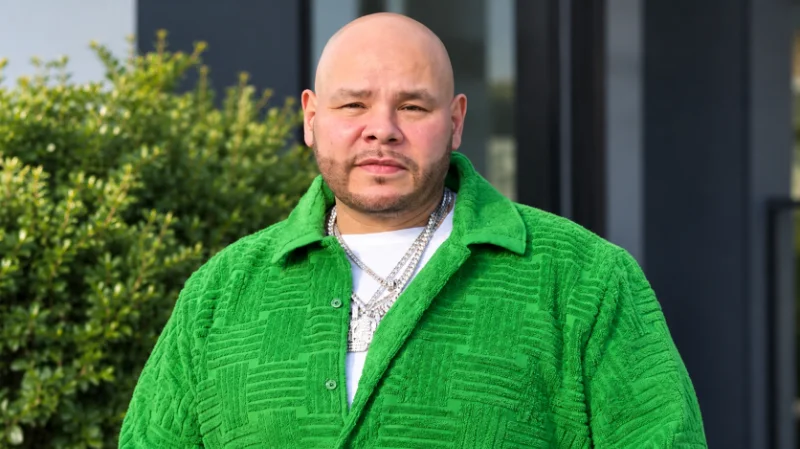
Fat Joe’s net worth sits at an estimated $10 million as of mid-2026, according to Celebrity Net Worth’s most recent update. That figure puts him well below several of his 1990s and 2000s rap peers, despite a catalog of platinum records and more than three decades of steady work. Other financial trackers place the number lower, closer to $4 million to
The gap between those figures is worth sitting with before jumping to a single number. Fat Joe has never released a personal financial statement, and no rapper of his generation has, so every public estimate is a reconstruction built from touring data, streaming payouts, business filings, and court records rather than a confirmed account balance. The rest of this breakdown walks through where that estimate comes from, what actually moved the needle over the years, and why his own comments about his finances don’t always match the headline figure.
Quick Facts
| Detail | Information |
| Real Name | Joseph Antonio Cartagena |
| Net Worth | Estimated at $10 million (estimates across financial sites range from $4 million to $15 million) |
| Profession | Rapper, producer, actor, podcast host |
| Born | August 19, 1970, South Bronx, New York |
| Age (2026) | 55 |
| Primary Income | Music royalties, touring, media ventures, business partnerships |
From the South Bronx to D.I.T.C.
Cartagena grew up in the South Bronx in a working-class Puerto Rican and Cuban household. Money was tight, and by his own account he was involved in petty theft as a teenager to help support his family. Hip hop gave him a way out, and in 1992 he adopted the stage name “Fat Joe da Gangsta” and joined the D.I.T.C. (Diggin’ in the Crates) crew alongside Diamond D, Lord Finesse, and O.C.
That connection led to a deal with Relativity Records and his 1993 solo debut, “Represent,” featuring guest spots from Apache, Kool G Rap, and Grand Puba. It was an early sign of the collaborative, feature-heavy approach that would define his career and, eventually, his income.
He later formed the Terror Squad label and helped build the career of the late Big Pun, one of the first Latino rappers to go platinum solo. That label work gave Fat Joe an ownership stake in other artists’ success, not just his own records, which is a distinction that matters when tracing where his money actually came from over three decades.
Where the Money Actually Came From
Music Catalog and Touring
Fat Joe’s biggest financial swings tie directly to his music. His 2001 album “Jealous Ones Still Envy” went platinum in the United States and silver in the United Kingdom, and it remains his commercial high point. Singles like “Lean Back,” “What’s Luv?,” “Make It Rain,” and “All the Way Up” kept him on radio and in rotation well past his commercial peak, and those songs still generate royalty income through streaming and licensing today.
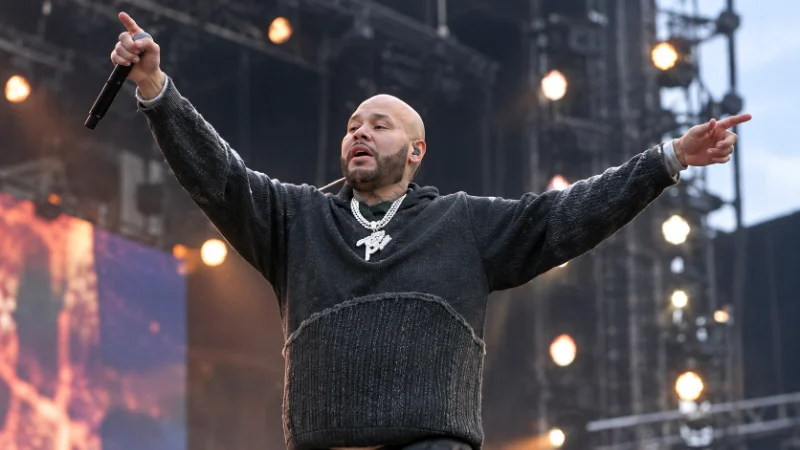
Touring has been just as important as the catalog itself. Court records from his later tax case named Miramar Music Touring Inc., a company he owned, as one of the entities that generated his income, alongside his Terror Squad label. Live performance revenue, rather than album sales alone, has kept his earnings steady through years when the recording industry shifted toward streaming.
Acting, Television, and Digital Media
Beyond music, Fat Joe built a second income stream through film and television. He appeared in “Scary Movie 3,” “Prison Song,” and “Empire,” and voiced a supporting role in the animated film “Happy Feet.” None of these paid at movie-star rates, but they added visibility that fed back into his music and business ventures.
More recently, his media income has shifted toward podcasting and YouTube. He launched the “Coca Vision” podcast on Tidal in 2018 and hosted “The Fat Joe Show” on Revolt starting in 2020. His YouTube channel has passed 887 million total views, a figure that translates into meaningful ad revenue on its own. He now co-hosts “Joe and Jada” with fellow rapper Jadakiss, continuing a media career that runs parallel to music rather than replacing it.
That shift mirrors a broader pattern among rappers who came up in the 1990s and 2000s. Touring and album sales carried most of an artist’s income during Fat Joe’s commercial peak, but streaming payouts per play are small, and a decades-old catalog needs a large volume of listens to generate the same income a single platinum-selling year once did. Podcasting and video, by contrast, pay through advertising and platform deals that don’t depend on nostalgia for a specific era of music, which helps explain why so much of his current income sits outside the recording booth.
Business Ventures and Brand Deals
Fat Joe opened the sneaker store UP NYC in 2016 and later partnered with the haircare brand It’s a 10 on a men’s grooming and hair-color line called Rewind It 10. He has also spoken publicly about prioritizing ownership of his publishing rights and masters in recent years, a shift many older hip hop artists have made after watching younger peers profit from owning their catalogs outright.
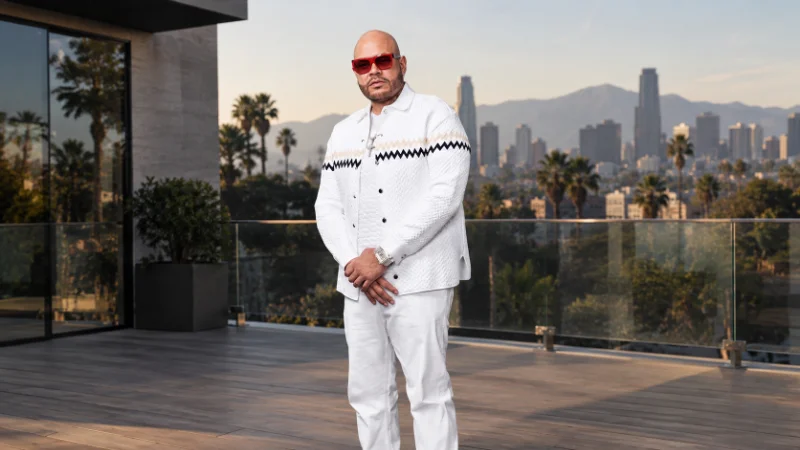
The Tax Case That Cut Into His Fortune
Any honest accounting of Fat Joe’s finances has to include his 2013 tax case, a detail many net worth pages skip past. According to the U.S. Attorney’s Office for the District of New Jersey, Cartagena pleaded guilty to two counts of failing to file federal income tax returns on more than $3.3 million earned between 2007 and 2010, income tied to Terror Squad Production Inc. and Miramar Music Touring.
He was sentenced to four months in federal prison, one year of supervised release, and a $15,000 fine. The government calculated the tax loss at $718,038, an amount he paid back before sentencing. The judge cited that repayment, along with his charitable donations to Bronx schools, as reasons for leniency, since he had faced up to two years behind bars.
That case matters for a net worth discussion because it shows a documented six-figure hit to his finances at a specific point in his career, on top of legal fees and reputational cost. It is also a rare example of a verifiable dollar figure in a story that otherwise runs on estimates.
In court, Fat Joe apologized to his young daughter, who he said had faced teasing at school over her father’s legal trouble, and told the judge the responsibility for the unfiled returns was his own regardless of who managed his books. More than sixty letters were submitted on his behalf ahead of sentencing, including one from a Bronx borough official who pointed to his donations of computers to local schools. Court filings from the case also listed him as a resident of Miami Beach, Florida, and Tenafly, New Jersey, which gives a rare, verifiable glimpse into his living situation during his highest-earning years, since his broader real estate holdings are not independently documented elsewhere.
Why Estimates for His Net Worth Vary So Widely
Search for Fat Joe’s finances and the numbers move around: $4 million on one site, $6 million on another, $10 million from Celebrity Net Worth, and as high as $15 million elsewhere. Part of that gap comes from how each tracker treats touring income, publishing royalties, and business equity, none of which are public record the way a salary or stock holding would be.
Fat Joe himself has added to the uncertainty. During a 2024 episode of his “Joe and Jada” podcast, he said he still lives “check to check,” a comment that stood out given his decades of hit records. It’s a reminder that celebrity net worth figures are estimates built from touring grosses, royalty patterns, and business filings, not confirmed bank balances, and an artist’s own account of his finances can differ sharply from what a spreadsheet suggests.
How His Wealth Compares to Other Rappers of His Era
Fat Joe’s estimated fortune looks modest next to some of the artists he came up alongside. Jay-Z’s net worth is estimated in the billions, largely from business holdings well outside music, and Drake’s is estimated well over $250 million. Fat Joe’s numbers sit closer to a mid-tier working rapper who has stayed active in music, media, and small business ventures rather than one who diversified into large-scale ownership plays like a beverage company or a stake in a major streaming platform.
That gap says less about talent or longevity, since Fat Joe has outlasted many of his peers commercially, and more about which artists moved early into equity-heavy business deals during the 2000s and 2010s. His own recent emphasis on owning his publishing and masters suggests he is aware of that difference and adjusting his approach later in his career.

It also helps explain why net worth pages built purely around album sales miss the fuller picture. An artist with fewer number-one records but an early stake in a spirits brand, a tech company, or a streaming platform can end up worth far more than one with a longer run of hit singles and no equity behind them. Fat Joe’s catalog is arguably deeper than several rappers who are estimated to be worth many times more, which makes his case a useful example of how touring and royalties alone tend to plateau a fortune rather than multiply it.
Three decades after “Represent,” Fat Joe’s finances tell a more layered story than a single number can capture. A platinum catalog, a federal tax case, a sneaker store, and a growing podcast business all sit inside the same estimated $10 million figure, which is exactly why that number keeps shifting depending on who is doing the math. His own admission of living paycheck to paycheck, set against a three-decade catalog of hits, is the clearest sign that fame and financial security don’t always move at the same pace, even for an artist with his level of name recognition.